If you have been receiving unexpected calls from phone numbers starting with +44, you are not alone. Reports of scam calls using UK country code numbers have surged across Europe, North America, and beyond. Action Fraud UK has tracked a sharp increase in complaints, while in late 2025, Irish authorities reported a wave of +44 scam calls, Austria filed over 250 complaints in a single month, and France issued public warnings about the same pattern.
The +44 country code belongs to the United Kingdom, but that does not mean these calls actually originate there. Understanding how and why scammers use UK numbers is the first step toward protecting yourself.
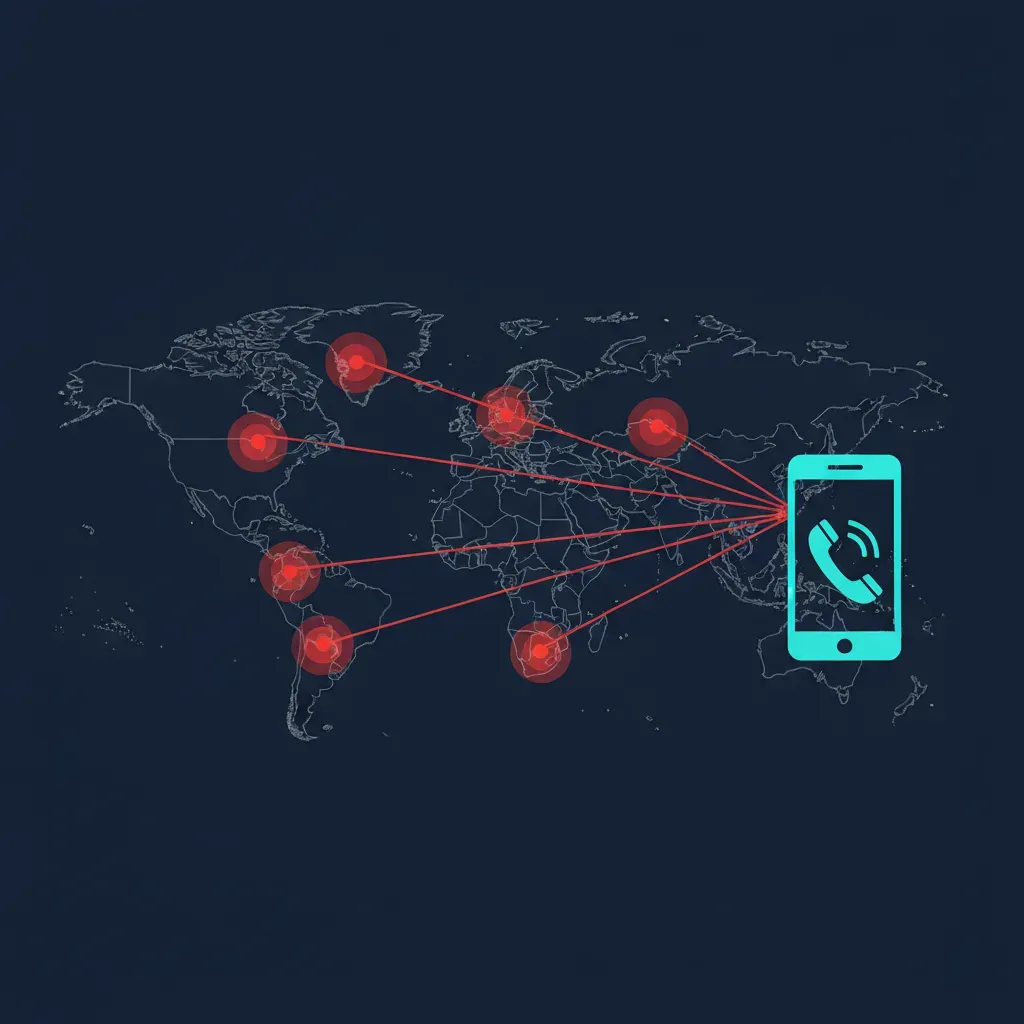
How Caller ID Spoofing Works
The phone number displayed on your screen when you receive a call is not always the real originating number. Scammers use a technique called caller ID spoofing, which allows them to display any number they choose. This is made possible through:
- VoIP (Voice over IP) services that allow calls from internet connections with configurable displayed numbers
- Fake caller ID generators that are inexpensive and widely available
- International call routing that bounces calls through multiple countries to obscure the true origin
- Bulk calling software that can dial tens of thousands of numbers per hour with spoofed caller IDs
The +44 number on your phone may have no connection whatsoever to the United Kingdom. The call could originate from any country.
⚠Your Caller ID Cannot Be Trusted
The number displayed on your phone is easily faked. Never assume a call is legitimate just because the caller ID shows a recognized country code or area code. Scammers specifically choose numbers that appear trustworthy.
Why Scammers Choose UK (+44) Numbers
Scammers select +44 numbers for several strategic reasons:
Perceived Credibility
The UK is associated with established financial institutions and global corporations. A call from a UK number feels more credible than one from an unfamiliar country code, making targets more likely to answer.
Anti-Spoofing Regulation Workarounds
Several countries now prevent callers from faking local numbers. Austria introduced anti-spoofing rules in January 2025, effectively stopping scammers from impersonating Austrian phone numbers. When local spoofing becomes harder, scammers shift to international numbers, and +44 is a popular choice.
Global Recognition and Infrastructure
The UK country code is familiar to English-speaking populations worldwide. In countries like Ireland, the US, Canada, and Australia, a +44 number does not trigger the same suspicion as a less familiar code. UK VoIP services are also accessible and affordable, providing the bulk-calling infrastructure scam operations need.
Common +44 Scam Call Types
Automated Recruitment Scams
One of the most reported +44 scam patterns involves an automated voice claiming to represent a recruitment firm. The message offers a high-paying job opportunity and asks you to press a number or call back to learn more. This leads to requests for personal information or upfront fees.
Bank and Financial Impersonation
Callers claim to be from major UK banks like HSBC, Barclays, or Lloyds, warning about suspicious transactions on your account. They request account details, card numbers, or one-time passcodes to "verify your identity" or "freeze the fraudulent transaction."
Tax and Government Impersonation
Scammers impersonate HMRC (UK tax authority) or other government agencies, claiming you owe unpaid taxes or face legal action. These calls demand immediate payment through gift cards, wire transfers, or cryptocurrency. In the US, similar IRS impersonation scams are tracked by the FTC.
Tech Support Scams
Callers claim to be from Microsoft, Apple, or your internet provider's UK office, warning about a security breach on your device. They request remote access to your computer, then install malware or demand payment for unnecessary "repairs." The FBI IC3 reports tech support fraud as one of the top categories of cybercrime affecting older adults.
One-Ring (Wangiri) Scams
Your phone rings once from a +44 number and disconnects. The goal is to make you curious enough to call back. The return call connects to a premium-rate number that charges high per-minute fees, with the scammer collecting a share of those charges.
Think a website might be a scam?
Check any URL instantly with our free scam detection tools.
Other Suspicious Country Codes
While +44 is currently one of the most spoofed country codes, scammers use numbers from around the world. Be cautious with unexpected calls from:
| Code | Country | Common Scam Types | |------|---------|-------------------| | +1 | US/Canada | Spoofed local numbers, IRS scams | | +91 | India | Tech support, bank impersonation | | +234 | Nigeria | Advance fee fraud, romance scams | | +233 | Ghana | Romance scams, lottery fraud | | +92 | Pakistan | Tech support scams | | +355 | Albania | Wangiri/callback scams | | +375 | Belarus | Wangiri/callback scams | | +876 | Jamaica | Lottery and prize scams | | +473 | Grenada | Advance fee, lottery scams | | +649 | Turks & Caicos | Lottery scams |
ℹNot All International Calls Are Scams
Many legitimate calls come from international numbers, including business contacts, customer service callbacks, and personal connections abroad. The key is whether you expected the call. An unsolicited call from any unfamiliar number, domestic or international, warrants caution.
How to Protect Yourself
Do Not Answer Unknown International Calls
If you are not expecting a call from the UK or any other country, let it go to voicemail. Legitimate callers will leave a message or follow up through other means. Answering confirms to scammers that your number is active and monitored.
Never Call Back Unknown Numbers
If you missed a call from a +44 number you do not recognize, do not return it. If it was important, the caller will reach out again or leave a message. Calling back could connect you to a premium-rate line.
Use Built-In Call Blocking
Most smartphones have built-in features to silence unknown callers:
- iPhone: Settings > Phone > Silence Unknown Callers
- Android: Phone app > Settings > Caller ID & Spam > Filter spam calls
Install a Call Screening App
Apps like Truecaller, Hiya, and RoboKiller maintain databases of known scam numbers and can automatically block or flag suspicious calls before they reach you.
Report Scam Calls
Reporting helps authorities track scam operations and improve call-blocking databases. In the US, report to the FTC. In the UK, report to Action Fraud. In Australia, use Scamwatch. EU residents should contact their national telecom regulator.
Be Skeptical of Caller Claims
No bank, government agency, or tech company will call you unexpectedly and demand immediate payment or personal information. If a caller claims to be from an organization you do business with, hang up and call them directly using the number on their official website. You can also check if a company is legitimate before engaging.
Related Resources
GuidesWhat to Do If You've Been Scammed
Immediate steps to take if you shared personal information or sent money to a phone scammer.
Scam TypesRomance Scams
How phone calls and messaging apps are used to build fake romantic relationships.
Platform GuidesTelegram Scams
How scammers use messaging platforms alongside phone calls to run fraud.
GuidesHow to Check a Fake Company
Verify whether a company a caller claims to represent is real.
ToolsFree Scam Checker Tool
Check a suspicious website or phone number for known scam indicators.
GuidesHow to Report Phishing
Report phishing calls, texts, and emails to the right authorities.
Getting an unexpected call from a +44 number is not automatically cause for alarm, but it should prompt caution. The combination of caller ID spoofing and social engineering makes these calls effective, but they rely entirely on you answering, engaging, and complying. By letting unknown calls go to voicemail and never sharing personal information with unsolicited callers, you neutralize the scam before it can begin.