Student loan borrowers are some of the most heavily targeted scam victims in America. With 43 million Americans carrying student loan debt and constant policy changes around forgiveness programs, scammers have found the perfect conditions to exploit confusion and desperation. The Consumer Financial Protection Bureau reported a record 22,900 student loan complaints in a single year — a 36% increase — with federal loan complaints alone jumping to 18,400. The FTC has taken enforcement action against multiple fraudulent companies that collectively stole tens of millions of dollars from borrowers by promising loan forgiveness that never existed.
How Student Loan Scams Work
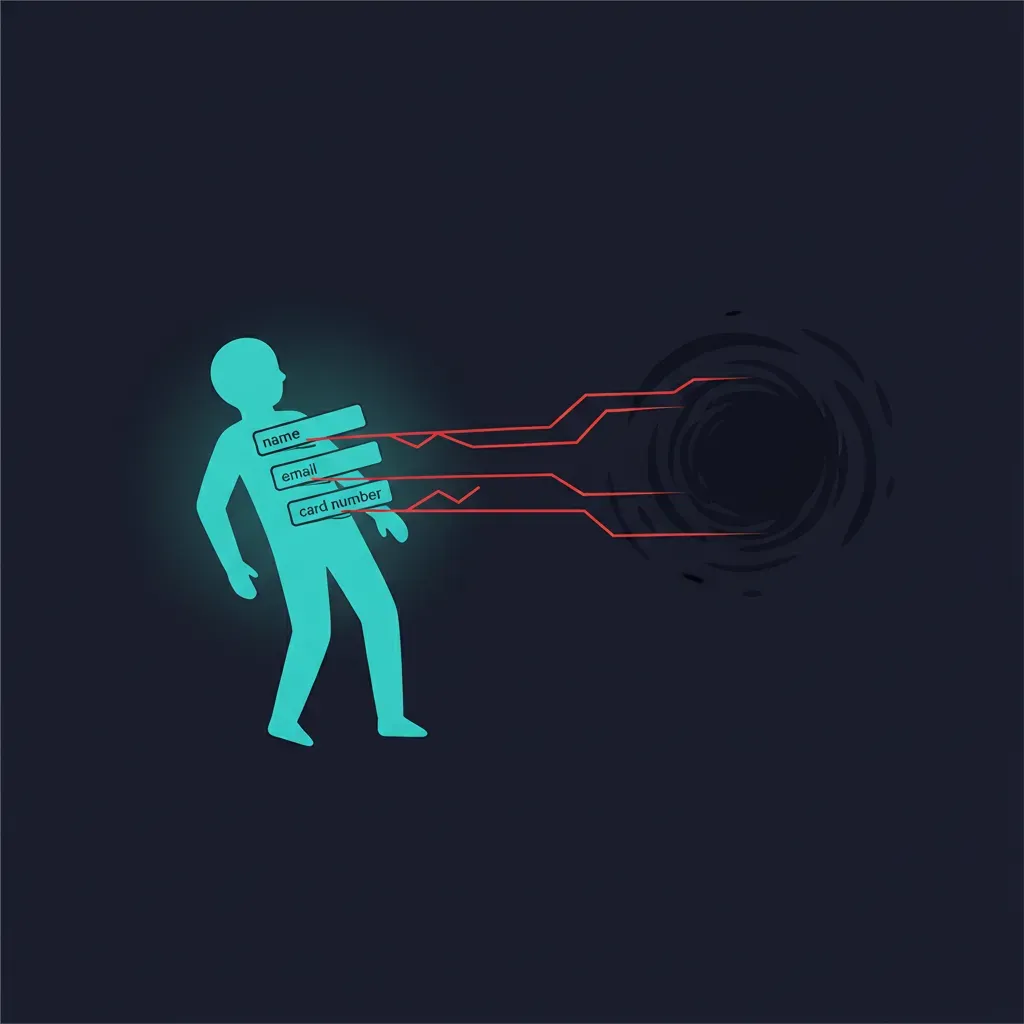
The playbook is remarkably consistent across student loan scams. Fraudulent companies contact borrowers by phone, email, text, or social media, claiming to offer special access to loan forgiveness programs. They use official-sounding names, fake government seals, and language designed to make borrowers believe they are dealing with the Department of Education or an authorized partner.
The scammer creates urgency — claiming a forgiveness deadline is approaching, that spots are limited, or that a special program is available only for a short time. They then charge an illegal upfront fee, typically ranging from several hundred to several thousand dollars, promising the fee will be applied to the borrower's loan balance or cover "processing costs." In reality, the money goes straight to the scammer, and the borrower's loans remain untouched.
⚠Charging Fees Before Delivering Debt Relief Is Illegal
Under the FTC's Telemarketing Sales Rule, it is illegal for any company to charge you a fee before providing debt relief services. Any company that demands payment upfront for student loan assistance is violating federal law. Legitimate federal forgiveness programs are free and available directly through Federal Student Aid.
Major Student Loan Scam Cases
Prosperity Benefit Services — $20.3 Million Stolen
The FTC took action against Prosperity Benefit Services, which stole $20.3 million from consumers by pretending to be affiliated with the Department of Education and promising complete loan forgiveness. The operators were permanently banned from the debt relief industry and ordered to surrender their assets.
Superior Servicing — Department of Education Impersonation
Nevada-based Superior Servicing impersonated the Department of Education to convince borrowers their programs were legitimate. Borrowers were required to pay upfront fees that operators claimed would be applied to loan balances, but the money was simply pocketed.
BCO and SLA Consulting Services — Illegal Upfront Fees
In separate actions, the FTC pursued BCO Consulting Services and SLA Consulting Services for charging borrowers hundreds to thousands of dollars in illegal upfront fees. Both operations falsely claimed Department of Education affiliation and promised loan forgiveness that never materialized. In 2025, the FTC sent refund payments to borrowers harmed by these scams.
Common Student Loan Scam Tactics
Fake Forgiveness Programs
Scammers advertise programs like "Biden Student Loan Forgiveness," "Federal Student Loan Elimination Program," or "Emergency Borrower Relief" — names designed to sound like real government initiatives. They promise to eliminate 100% of your balance or dramatically reduce your monthly payments. No private company can guarantee forgiveness outcomes.
Department of Education Impersonation
Using official-sounding names, government seals, and .us or .org domains, scammers create websites and correspondence that look like they come from the Department of Education or Federal Student Aid. Some even use spoofed caller IDs that display official government numbers. The real Department of Education will never charge you to apply for any loan forgiveness program.
Advance Fee Collection
The core of nearly every student loan scam is the illegal upfront fee. Scammers call it a "processing fee," "application fee," "enrollment fee," or claim it will be applied to your loan balance. Under federal law, debt relief companies cannot charge fees before delivering results.
FSA ID and Personal Information Theft
Some scammers ask for your Federal Student Aid (FSA) ID and password, which gives them full access to your loan accounts. With this access, they can change your contact information, enroll you in programs without your knowledge, or commit additional identity fraud. Never share your FSA ID with any third party.
Robocalls and Text Campaigns
Mass robocall and text message campaigns target borrowers with messages like "You qualify for student loan forgiveness" or "Final notice: your student loan application expires today." These messages are designed to create urgency and prevent you from verifying the claims independently.
Red Flags: How to Spot a Student Loan Scam
Watch for these warning signs:
- Upfront fees. Any request for payment before services are delivered is a violation of federal law.
- Guaranteed forgiveness. No company can guarantee your loans will be forgiven. Eligibility depends on your specific circumstances and government program requirements.
- Department of Education affiliation claims. The Department of Education does not endorse or partner with private debt relief companies.
- Pressure to act immediately. Scammers create artificial deadlines. Real government programs have published timelines available at studentaid.gov.
- Requests for your FSA ID. No legitimate company needs your FSA login credentials.
- Unsolicited contact. The Department of Education does not make cold calls offering forgiveness programs.
Think a website might be a scam?
Check any URL instantly with our free scam detection tools.
How to Access Real Student Loan Forgiveness
Legitimate forgiveness programs exist, and they are all free. Access them directly:
- Federal Student Aid at studentaid.gov — the only official source for federal loan forgiveness applications, income-driven repayment plans, and borrower defense claims
- Public Service Loan Forgiveness (PSLF) — available to borrowers who work for qualifying employers and make 120 qualifying payments
- Income-Driven Repayment (IDR) forgiveness — available after 20 or 25 years of qualifying payments, depending on the plan
- Your loan servicer — contact them directly using the number on your billing statement or through studentaid.gov
You can also call the Federal Student Aid Information Center at 1-800-433-3243 for free help understanding your options.
How to Report a Student Loan Scam
If you have been targeted or have lost money to a student loan scam:
- Report to the FTC at reportfraud.ftc.gov
- Report to the CFPB at consumerfinance.gov/complaint
- Report to the Department of Education Office of Inspector General at oig.ed.gov
- Contact your state attorney general through naag.org
- Contact your bank to dispute any charges
- Change your FSA ID immediately if you shared it with a third party
- Review your loan account at studentaid.gov to check for unauthorized changes
If you have been scammed online, taking swift action to secure your accounts and report the fraud increases your chances of recovery.
Related Resources
ToolsFree Scam Checker Tool
Check if a student loan forgiveness website is legitimate before sharing personal information.
GuidesWhat to Do If You've Been Scammed
Step-by-step recovery guide after falling victim to an online scam.
GuidesHow to Protect Yourself from Phishing
Essential strategies to recognize and avoid phishing attacks across email, text, and phone.
Scam TypesIRS Scam Calls Explained
How government impersonation scams work across phone, text, and email channels.
GuidesHow to Report Phishing Emails
Step-by-step guide to reporting phishing emails to the right authorities.
ListsTop Scammer List
Database of known scam operations and reported fraudulent entities.